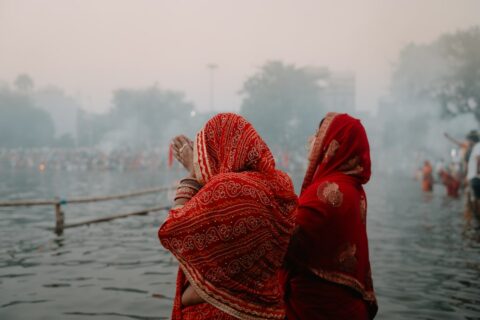
Navratri is one of the most anticipated festivals of the year — nine nights of devotion, dance, and dressing up in your finest silks. If you’re planning your Navratri wardrobe around a Banarasi saree, here’s how to choose the right one for each moment of the celebration.
Why Banarasi Silk Works for Navratri
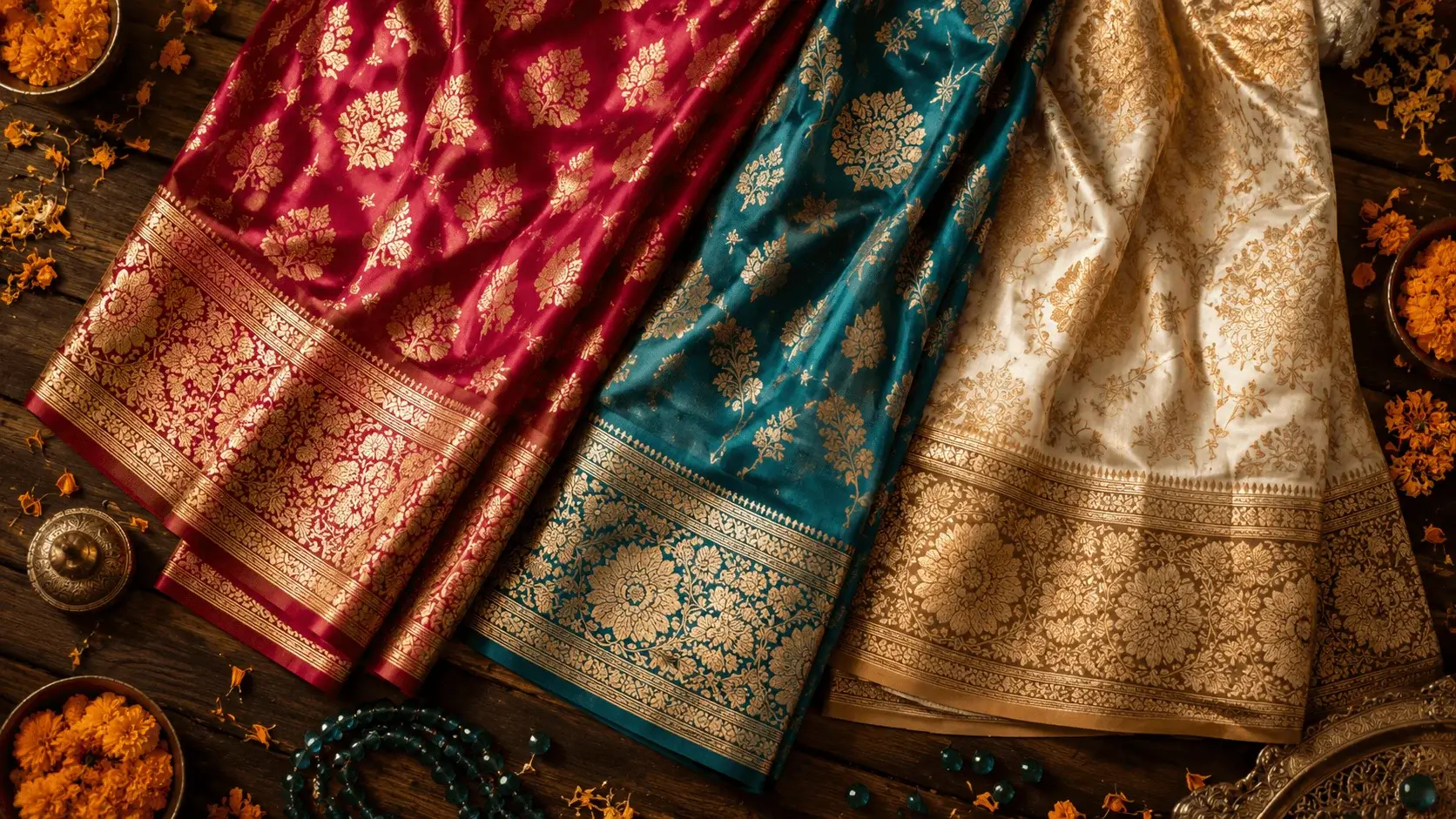
Banarasi silk has been the go-to choice for Indian festivals for centuries, and Navratri is no exception. The rich zari brocade catches the light beautifully under the diyas and string lights of a pandal, while the weight and drape of a well-woven Katan silk saree lend a sense of occasion that lighter fabrics simply can’t match. But not every Banarasi weave suits every night of the festival — the trick is matching the fabric to the moment.
Matching Your Saree to the Occasion
Navratri isn’t one single event — it’s nine nights with very different rhythms, from quiet morning aartis to high-energy Garba and Dandiya evenings. Here’s how to think about it:
For Daytime Pandal Visits
Choose something breathable and easy to move in. A Soft Silk or Kora Organza Banarasi saree offers the shimmer and tradition you want, without the heavier drape of a full silk weave — ideal for daytime darshan or a family puja where you’re on your feet for a while.
For Garba and Dandiya Nights
If dancing is on the agenda, prioritize ease of movement. A lighter Tissue Silk Banarasi saree, paired with a well-fitted underskirt and a secure pin at the pallu, gives you the festive shimmer without restricting your spins. Many women also pair their saree with statement jewelry and bangles to complete the traditional Garba look.
For Ashtami, Navami, and Family Gatherings
The most significant days of Navratri call for your richest piece. This is where a heavy Katan Silk Banarasi saree with detailed zari work truly earns its place — the kind of saree that photographs beautifully and holds its own at a family celebration or a formal puja.
A Note on Navratri Colors
Many families follow a nine-color scheme through the festival, with a different shade associated with each day. If this is a tradition in your family, it’s worth choosing 2-3 Banarasi sarees in colors that can flex across multiple days — a deep red, a sea green, and a warm gold or yellow will cover most of the traditional palette while still looking distinct each time you wear them.
Caring for Your Saree During Festival Season
Navratri is demanding on your wardrobe — between dancing, standing for aartis, and multiple outfit changes across nine days, your sarees need a little extra care:
- Air out your saree after each wear before folding it away, especially after a Garba night.
- Avoid direct perfume contact on the zari work — spray fragrance before draping, not after.
- Store folded sarees with a muslin cloth between the folds to prevent the zari from snagging on other fabric.
- For heavily worn pieces, a professional dry clean after the festival helps the silk and zari last for years.
Shop Navratri-Ready Banarasi Sarees
Every Kashi Sarees piece is handwoven by master weavers in Varanasi, with the authentic zari work that makes a Banarasi saree unmistakable. Browse our full collection for Katan Silk, Tissue Silk, and Soft Silk options ready for every night of the festival — with free shipping, Cash on Delivery, and 7-day returns on every order.
Not sure which weave or color suits your Navratri plans? Message us on WhatsApp for a personal recommendation.